It started with a jar of pickles.
I couldn’t get it open. I twisted it, ran it under hot water, wrapped it in a dish towel, and finally did what I always do: grabbed a butter knife and banged on the rim of the lid until it gave in. Yes, I still do this. No, I’m not stopping.
But standing at the kitchen counter, I had a thought that stayed with me. If opening a jar is a challenge now, what might it look like ten or twenty years from now?
I have been talking to Lee about this a lot lately. To be fair, I have been doing most of the talking and Lee has been doing most of the listening. We have worked hard for the life we have, and I want us to enjoy it. I want us to keep traveling, hiking, getting outside, exploring new places, and saying yes to the things that make life interesting. I don’t want our world to get smaller simply because our bodies can’t keep up.
I am realistic. I don’t expect to be running around at 80 the way I did at 30. Heck, I don’t even run like that today. But I have always been a capable, independent woman. My mother raised me that way, and it has shaped how I live my life. I don’t want my older years to feel like a different version of me, someone who has to give up the independence that has always been such a big part of who I am. I want to give myself, and Lee, the best chance of staying strong and able to enjoy the years ahead.
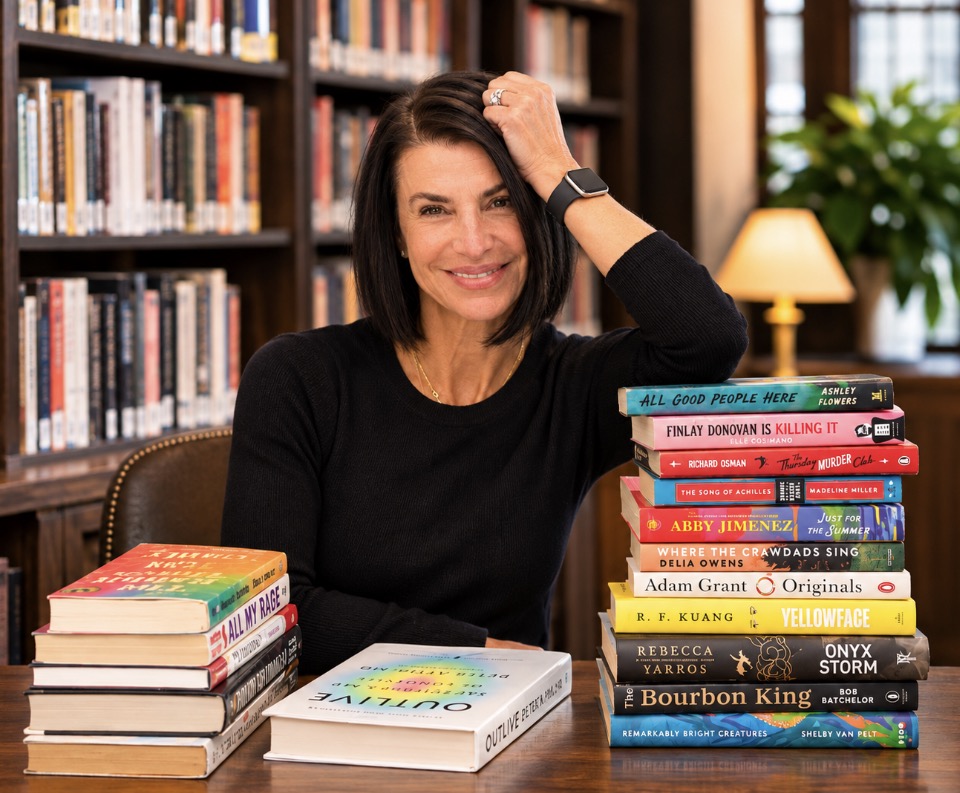
I started thinking about this differently after reading Outlive: The Science and Art of Longevity by Peter Attia, MD. It is a book about living better, not simply living longer. One of the ideas that stayed with me is the difference between lifespan and healthspan, how many years we live versus how many of those years we can stay active, capable, and involved in our own lives.
The subject already mattered to me. I helped found Home in Hilliard, a nonprofit created to help older adults remain independent and connected to their communities. I came to that work after a difficult experience in my own life. Quite frankly, I wanted to do good work, be around people who genuinely cared about others, and remind myself that there are still good people doing good things in this world. I found that there.
My work with Home in Hilliard also led me to complete the Age-Friendly Certificate Program through the Age-Friendly Innovation Center at The Ohio State University College of Social Work. That experience deepened my understanding of what helps people remain connected and independent as they age. But reading Outlive made me think about aging in place from another angle. We talk about the home, transportation, services, and support. We don’t always talk about the physical strength and ability we need to make independence possible.
My mother was never frail. After a fall that was difficult to recover from, she refused to go to a rehabilitation facility. She wanted to be home, in her own surroundings. We compromised, and she stayed with my sister during that time. I think about that differently now. Being able to stay home is about more than having the right support around you. It also depends, in part, on what your body is still able to do.
Can you get up from the floor? Carry the laundry? Step in and out of the tub? Walk to the mailbox? Lift your suitcase into an overhead bin? These aren’t athletic accomplishments. They’re ordinary parts of life, and being able to do them gives us choices.
Attia calls one of his ideas the Centenarian Decathlon. The thought is simple: picture the things you hope you’ll still be able to do when you’re much older, then consider what you can do now to help preserve that ability. His examples include carrying groceries, climbing stairs, hiking, balancing, and, yes, opening a jar. I laughed when I saw that one.
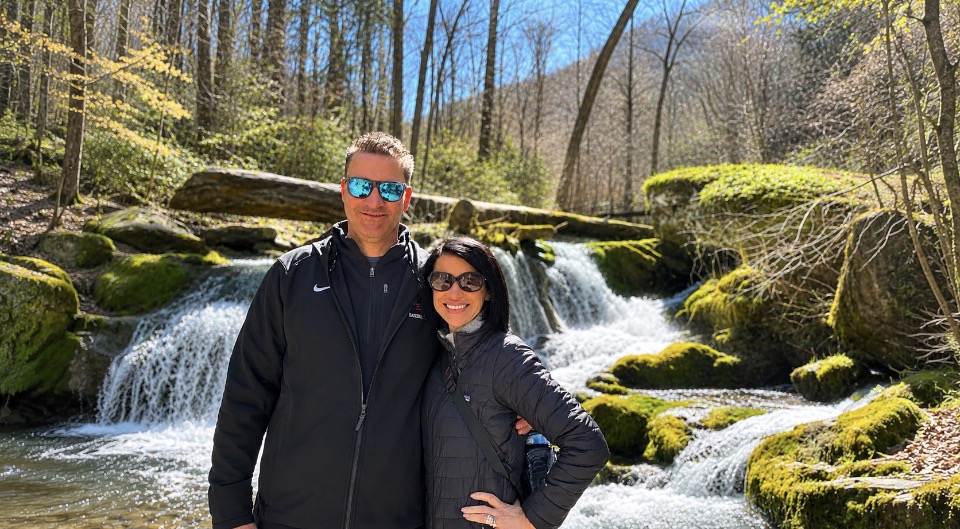
It made me think less about a list of fitness goals and more about the life Lee and I want to keep living. I want to take a trip without worrying about whether I can manage my own luggage. I want to walk the hills I love and turn a Saturday hike into a full-day adventure. I want to get down on the floor with my grand dogs and get back up without searching for something to hold on to. I want us to be able to say yes to a walk, a new place, or a day outside without first wondering whether we’re physically up to it.
Of course, none of us can control everything. Exercise won’t prevent every illness or injury, and getting older brings changes we can’t predict. But the book reminded me that there are things we can influence. Strength, balance, endurance, and mobility don’t have to be afterthoughts. We can give them some attention now, while we have the opportunity to build and maintain them.
I wasn’t starting from scratch. I already moved most days before I read the book. I run about three miles three days a week, walk for ar least 30 minutes the other days, and lift weights three days a week. Outlive didn’t convince me to start exercising. It changed why I exercise.
I used to think about workouts in terms of weight, energy, and how my clothes fit. And let’s be honest, how my clothes fit is still horribly important! Now I also think about the woman I hope to be at 80. When I lift weights, I think about carrying my own bags. When I walk, I think about having the endurance to explore somewhere new. I have started paying more attention to balance, grip strength, and the things that help me feel steady and capable.
I am also paying more attention to what I eat, especially getting enough protein to support the work I’m doing to maintain muscle. It is an area where I know I can do better. And I am blessed to have a daughter, Cecelia, who is a doctor. She has been telling me some version of this for years, and I am finally listening.
Lee is still working out what all of this looks like for him, mostly because I keep bringing it up. I don’t want to turn our lives into a training schedule or make exercise another source of pressure. I want us to find ways to stay active that support the life we enjoy, not take it over. If that means talking him into one more walk, so be it.
I suspect some of our friends are thinking what I used to think: eighty is a long way off. There’s plenty of time to worry about that later. I understand. None of us likes thinking about losing our independence. But reading this book made me realize that the choices we make today may help shape the choices available to us later.
That feels hopeful to me. I’m not trying to stop time, and I know we can’t control every part of aging. But I do believe we may have more say in how we arrive in those later years than we thought. A walk today, a little strength training, paying attention to balance, and a few better choices don’t have to be dramatic to matter.
Lee and I have spent a lot of years making a life together. I want more trips, more walks, more weekends at the campground, more adventures, and more ordinary days when we can get up and go without giving it a second thought. I want us to keep taking care of ourselves and each other for as long as we can.
So I’ll keep walking, lifting, moving, and paying attention to the things we so often take for granted. And I’ll keep trying to open my own jars.
The butter knife is on notice.
What is one thing you hope you’ll still be able to do when you’re 80?


Leave a Reply